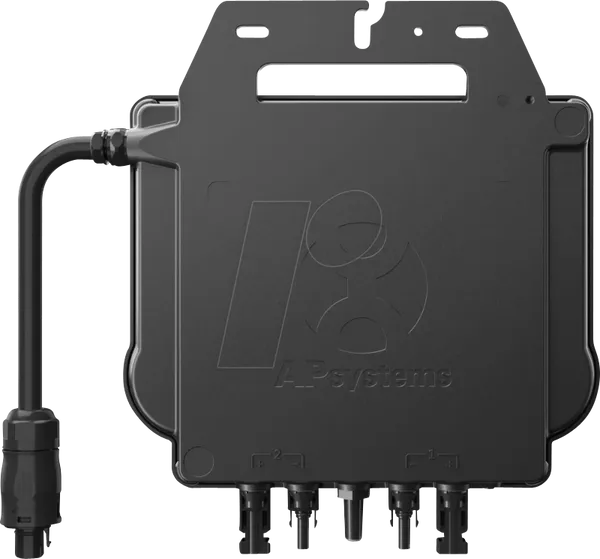
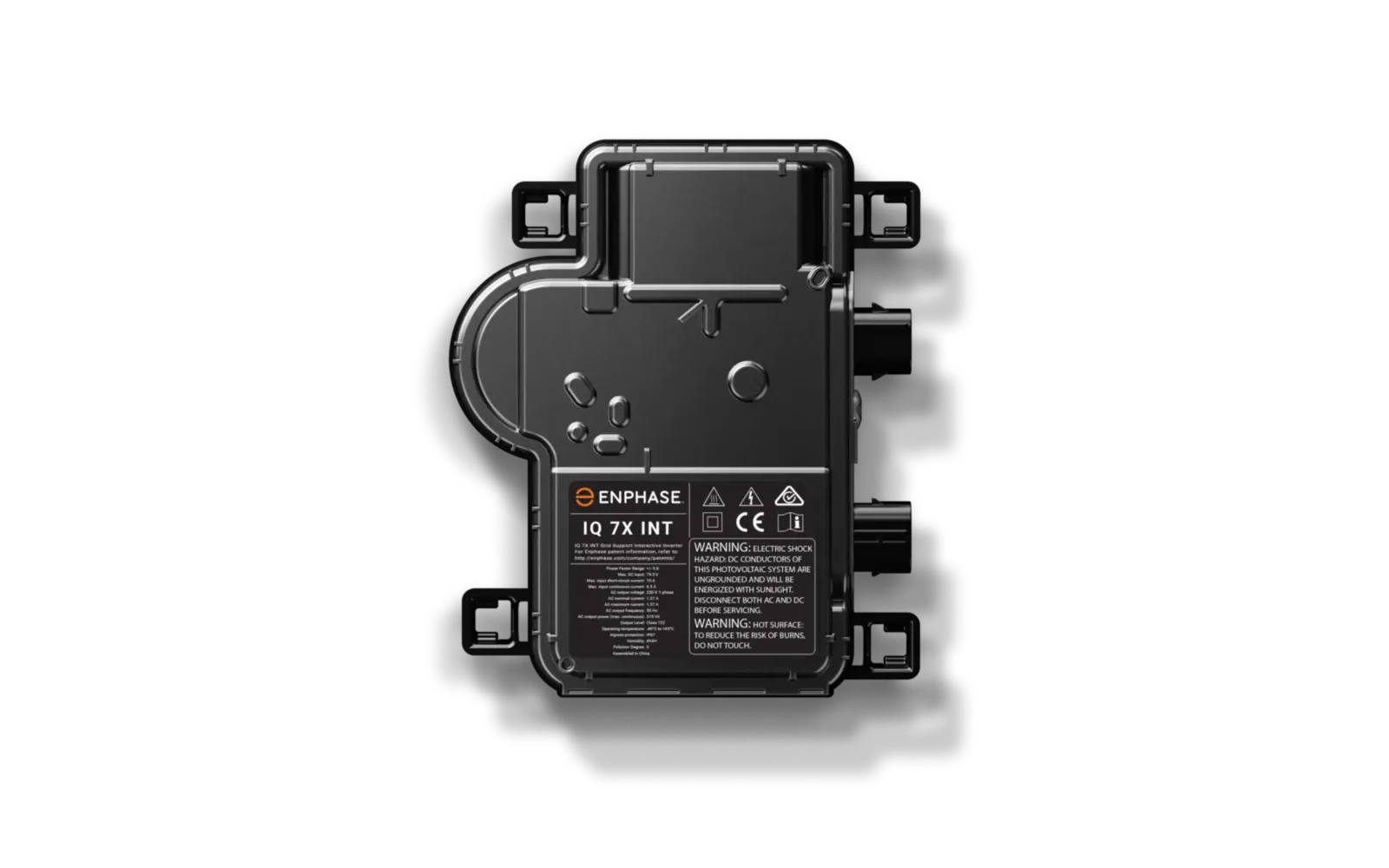
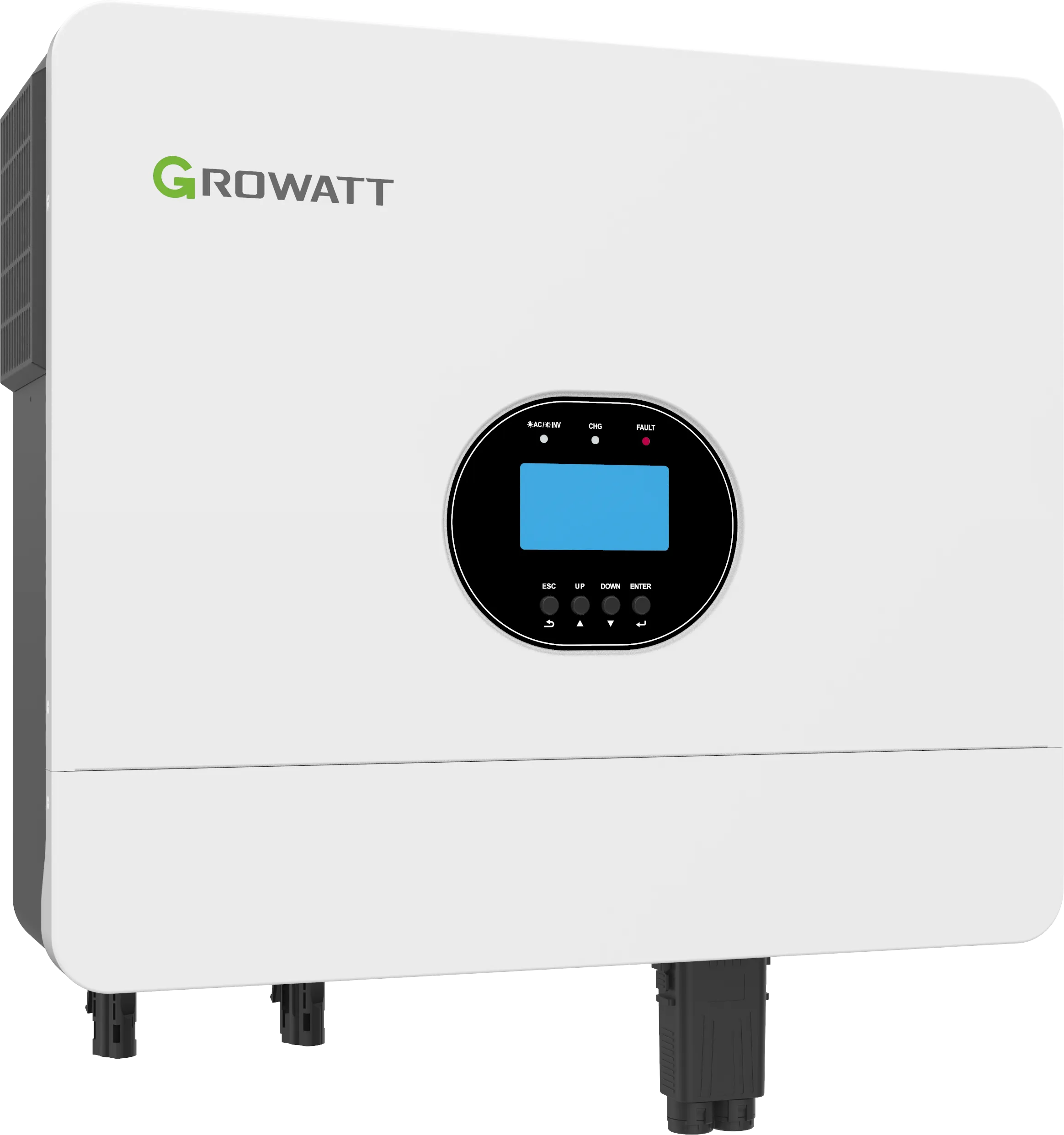
In short: we choose the inverter to suit your home, not the other way round
The inverter is the heart of your solar installation — it sets how much power you can handle, whether you can add a battery, and whether your home keeps running through a power cut. So we don’t choose it on lowest price, but on your situation: your connection, your consumption and what you want. That’s the difference between an installation that runs well for years and one you’ll want to replace in two.
What we look at
Before choosing an inverter, we look at four things:
- Your connection — single-phase or three-phase. That determines which type of inverter fits and how much power you’re allowed to connect.
- Your consumption — air conditioning, a pool, a heat pump, perhaps an EV charger. How much do you draw at once?
- Your roof — one plane or several directions, shaded or not. That determines the number of MPP trackers and the technology.
- What you want — do you want backup during a cut, and do you want a battery now or later?
Only then do we choose the inverter to match. The inverter follows your home, not the other way round.
The choices we make
On that basis we make three choices — and we always explain them:
- Battery-ready (hybrid) as standard. We fit an inverter you can add a battery to later, without replacing the inverter. So you don’t overpay now, but you’re not locked in either.
- Single-phase or three-phase. An ordinary home goes on single-phase; a large villa drawing a lot of power on three-phase. Why that works the way it does is in Single-phase or three-phase in Spain.
- The right battery class. For virtually every home — including a large three-phase villa — low voltage (48 V) is the best choice: cheaper and universal, and it scales comfortably to what a house asks of it. The battery follows the inverter; the reasoning is in Low-voltage or high-voltage home battery.
An inverter that fits your home sometimes costs a little more up front — but it saves you an expensive conversion and a weak installation later.
Ask for tailored advice, free and without obligation
Where a cheap installation goes wrong
Not every installer makes those choices. Where it goes wrong when price is the only consideration:
- One standard inverter for every home — too small for one (no room to expand), too large for another (you pay for output you never use).
- No battery preparation — a cheap grid inverter with no battery option means that if you want storage later, the whole inverter has to come out.
- The wrong phase or no backup — an installation that ignores your connection or your backup needs will leave you in the dark at the first power cut.
These aren’t details: they decide whether your installation still makes sense in five years’ time.
What our choice gets you
- Well priced — you pay for what fits your home, no more and no less.
- Future-proof — a battery can always be added, without replacing the inverter.
- Strong backup — your essential appliances keep running through a cut.
- Legal and correct — sized and registered to the Spanish standard.
What we do for you
We work your system out against your connection and consumption, and choose the inverter and battery to match — and we explain why. So you know exactly what you’re getting, and why it fits your home.
If you’d like to see the reasoning applied to real houses, the project write-ups set out what we fitted where and why — villas, apartments and off-grid places along this coast, most of them for expat owners like you. And references from customers near you are yours for the asking.
Request your free, no-obligation quote — free, friendly and no obligation whatsoever. If solar isn’t right for your place, we’ll tell you that too.