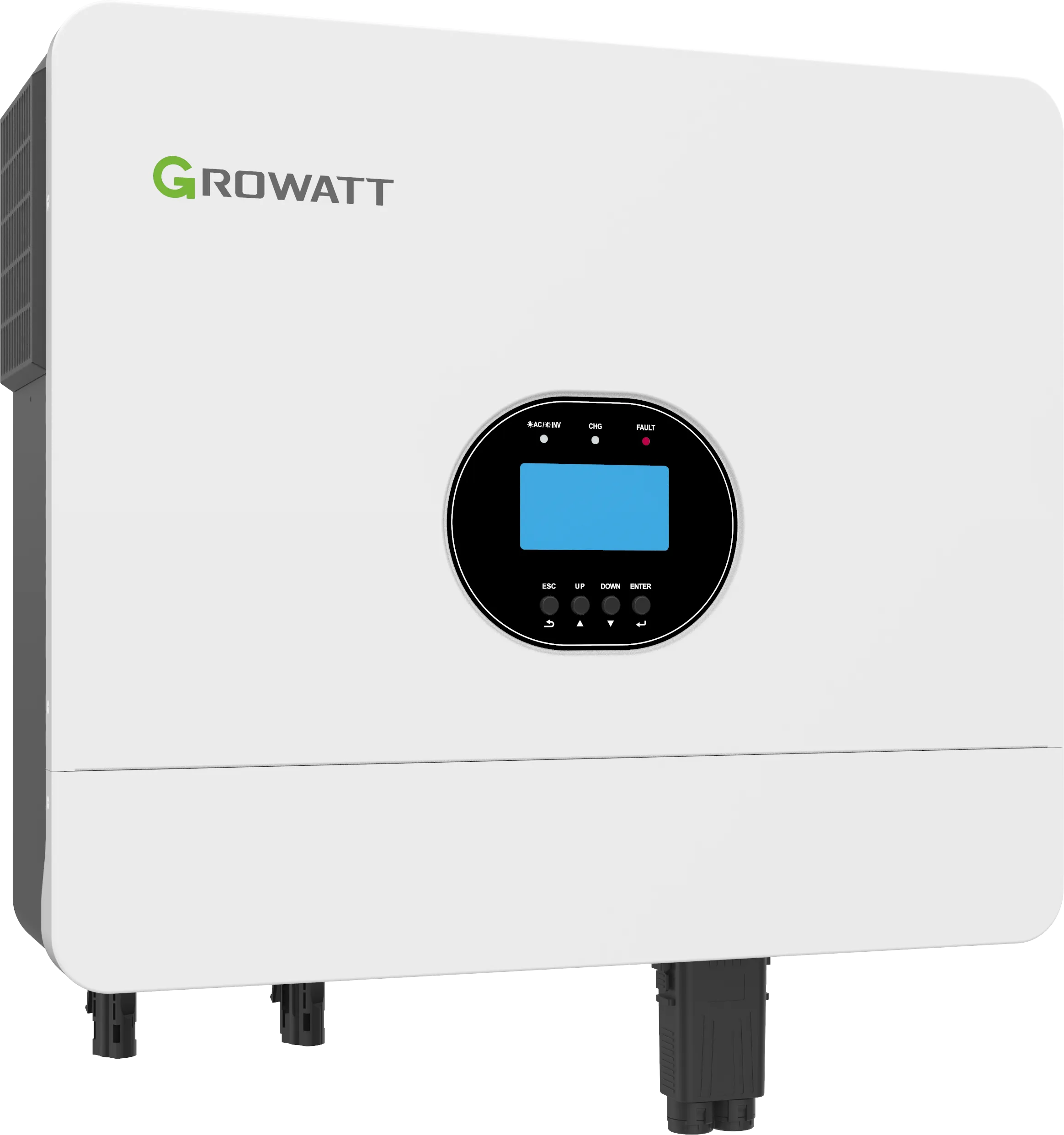
Every solar-panel installation in Spain must, by law — the REBT — be fitted with a set of safety devices. That holds for every system, whether you choose a standard installation with an inverter, microinverters or an off-grid system. With us it comes as standard in the price; it isn’t an optional extra you order separately.
What the law actually requires
The Spanish standard (REBT ITC-BT-40, together with UNE-HD 60364-7-712) sets out which protective devices belong in every installation. In brief:
On the direct-current side (DC — between the panels and the inverter):
- gPV fuses that protect each string of panels against a short circuit;
- a DC isolator that safely disconnects the panels from the inverter;
- surge protection that shields the inverter from lightning strikes and voltage spikes.
On the alternating-current side (AC — towards your consumer unit):
- magnetothermal circuit breakers against overload and short circuit;
- an RCD (residual-current device) that protects you from electric shock;
- surge protection on the grid side.
And for the whole system: sound earthing. All of this usually sits neatly together in a single protection unit beside your inverter — weatherproof (IP65), so it stays safe outdoors for years too.
The surge protection is often underrated, but it isn’t optional: under the tightened standard ITC-BT-23 it is required on the grid side, and through the solar standards (ITC-BT-40, UNE-HD 60364-7-712) it belongs on the panel side as well. It’s exactly that protection which catches a lightning strike or voltage spike before it reaches your expensive inverter.
And with microinverters it’s different
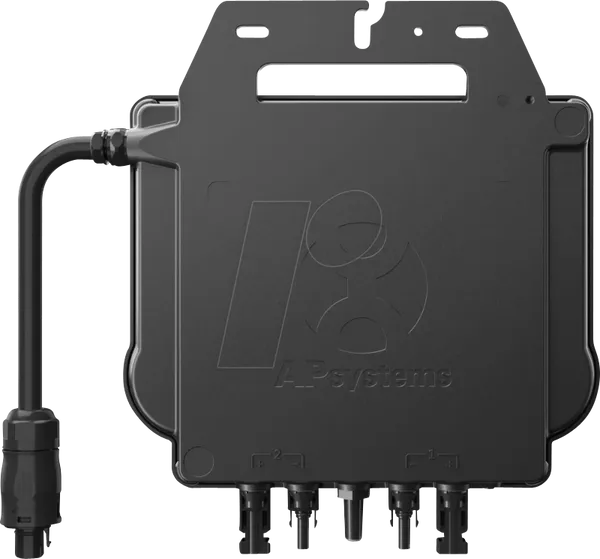
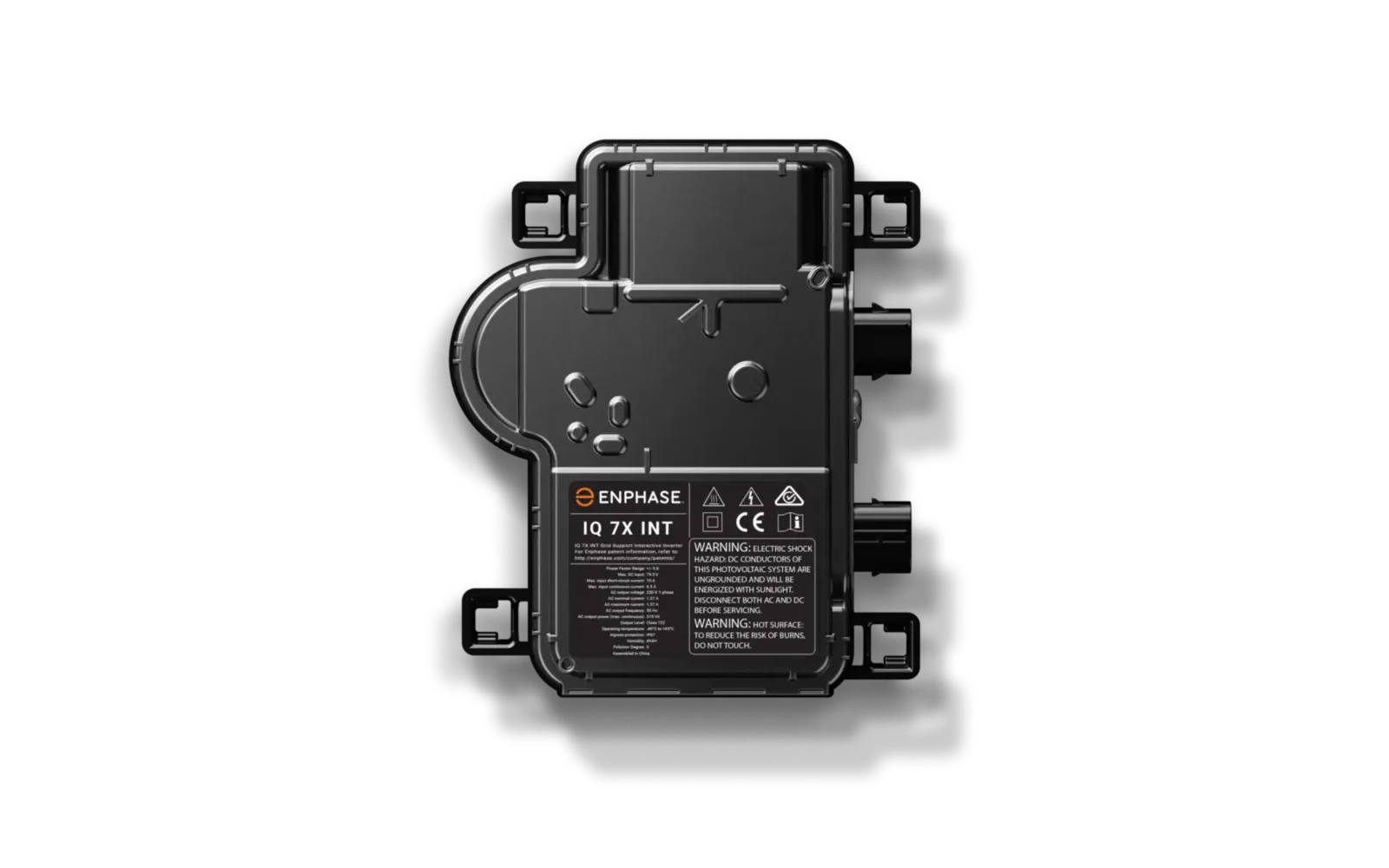
If you choose microinverters, the picture on the direct-current side changes. A microinverter converts the current at the panel itself into alternating current — so no DC string runs through your house; everything after the panel is ordinary 230V alternating current. As a result the DC protection devices largely fall away: no DC isolator, no gPV fuses and no separate DC surge protection, because there’s no DC string left to protect.
What remains is the AC side: the magnetothermal breaker, the RCD, the grid-side surge protection and the earthing — required with microinverters too.
There’s a nice added benefit here: no high-voltage direct current on your roof. That makes a microinverter system inherently safer in a fire, and in a fault the panels switch off one by one straight away.
Why this really matters
It sounds technical, but it comes down to your safety and your insurance:
- Fire safety — fuses and isolators stop a short circuit or fault from getting out of hand.
- Protecting people — the RCD and the earthing prevent dangerous situations in the event of a fault.
- Your insurance — after damage or a fire, the insurer checks whether the installation was carried out to the standard. If the right protection is missing, you’re on weak ground.
- Legalisation — without the prescribed safety devices you won’t get your installation legalised with Industria.
An installation without the right safety devices can look cheaper, but this is exactly where you don’t want to cut corners. It’s the foundation everything runs on safely.
Why it’s always included with us
Because it’s both required and essential, we don’t treat the safety devices as an option but as a fixed part of every installation. Our certified electrician fits the protection unit, sees to the earthing and provides the boletín — the official electrical certificate. That way you know your installation is safe, stays insured and is legalised without a hitch.
So you won’t see it as a separate line on your quote: it’s in the all-in price, just like the fitting and the legalisation.
Request your free, no-obligation quote — and we’ll show you how we deliver your installation to the standard, from panel to protection.